What it is
The deck is usually a cored fiberglass sandwich above the solid or partly cored hull. Its outer and inner skins carry load while balsa or foam core keeps them separated. Winches, tracks, cleats, stanchions, chainplates, pulpits and organizers are through-bolted or screwed into it. Backing plates spread concentrated loads. Sealant keeps water from entering fastener holes; proper rebedding removes hardware, cleans the joint, repairs/seals core as necessary and reinstalls it—it is not smearing caulk around the edge.
The hull–deck joint is the perimeter connection between hull and deck, commonly bonded, fastened and covered by a toerail/rubrail. Lifeline stanchions and pulpits are safety structures. Rope clutches hold loaded running rigging; travelers and genoa tracks redirect major sail loads.
Owner learning layer
penetrations and concentrated loads
Mental model
A sandwich deck is strong because its skins stay bonded and separated. Hardware introduces point loads and holes—the exact places water can reach the core. Follow each loaded fitting from line or person, through fasteners/backing, into the deck laminate. The hull–deck joint closes the shell and may also carry rig, stanchion and impact loads depending on design.
Tradeoffs
Balsa core offers good stiffness and compression properties but needs meticulous isolation from water; foam does not rot but can still crush or debond. Bolted hardware with accessible backing is maintainable; hidden aluminum plates or self-tapped fittings may be neat but harder to inspect and repair. Teak overlay provides grip and appearance yet creates many penetrations and eventual replacement work. Flexible sealant permits movement; adhesive sealants can make later service destructive. Choosing a bedding compound requires understanding whether the joint must later come apart.
Maintenance competence
Treat leak tracing as maintenance, not housekeeping. Periodically load stanchions, pulpits, cleats and tracks while watching below; inspect fasteners, backing and cracks. Rebed by removing hardware and correcting the penetration, not by drawing an exterior caulk ring. Learn the proper drill-fill-redrill/core-isolation technique for new holes. Keep drains clear and stop freshwater leaks before interior damage appears. A soft deck is the end result of a process; early brown weeping, compressed laminate, cracked sealant or damp fasteners are the cheaper warning.
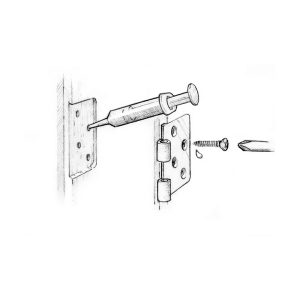
What to study: the fastener hole is deliberately oversized and filled with epoxy so compression and water are kept away from vulnerable core. For highly loaded hardware, also verify a suitable backing plate and load-spreading laminate; epoxy potting is not a substitute for structure. Image/source: WEST SYSTEM, “Bonding Fasteners and Hardware”.
Further learning: Study: WEST SYSTEM core and bonding repair resources · Watch: Replacing wet core around chainplates
Why it matters for an ocean crossing
Wet or crushed deck core loses stiffness and fastener holding. A failed stanchion or pulpit can send crew overboard. Leaking chainplates damage both deck and standing-rig load paths. Failed cleats, tracks or traveler fittings can injure crew and disable sails. A leaking hull–deck joint admits water and, after impact or poor construction, can become structural.
How age changes the answer
The age-band costs below are planning judgements derived from the unit and labor basis in “What it costs,” unless a source is named.
| Age at departure | What is normally justified | Typical cost |
|---|---|---|
| under 10 years | Inspect/high-load hardware and leaks; rebed only evidence-based locations. | $0–$1,500 |
| 10–20 years | Expect selected sealant, clutch/winch service and isolated core repair. | $800–$6,000 |
| 20–30 years | Original penetrations deserve a systematic map; repair active leaks/softness, not every fitting blindly. | $2,000–$15,000 |
| over 30 years | Broader rebedding/core risk rises, but dry sound hardware can remain untouched. | $3,000–$30,000+ |
Sealant life, movement and installation quality matter more than age. Preventively removing every fitting can create new leaks and large labor without evidence. Doing nothing is correct for dry, rigid, correctly backed hardware with no movement or staining. Insurers/surveyors focus on safety railings, active leaks, soft core and structural fasteners rather than a blanket age interval.
Repair, service or replace
Service winches, travelers, clutches, tracks and hinges using maker instructions; replace worn pawls, bearings, cams or fasteners. Rebed a leaking fitting by removal and core inspection. Where core is exposed, remove damaged material locally, fill with high-density epoxy and redrill so future leaks cannot reach core.
Repair localized wet core by removing one skin, replacing/drying core and restoring laminate. Hardware bases or backing plates may need reinforcement. A damaged hull–deck joint is opened to sound bond, refastened/rebonded and finished; replacing an entire deck is a rare restoration decision, not a routine refit line.
What it costs
| Item | Unit | Bay Area 2026 |
|---|---|---|
| Winch service | each | $300–$800 (judgement) |
| Spinlock XTS single clutch | part | $194.25 posted |
| Spinlock XTS double/triple | part | $364/$527.25 posted |
| Rebed small fitting | each | $300–$900 (judgement) |
| Rebed stanchion/cleat/track section | each | $600–$2,000 (judgement) |
| Local deck-core repair | area | $2,000–$8,000 (judgement) |
| Pulpit/stanchion repair or fabrication | item | $1,000–$5,000 (judgement) |
| Hull–deck joint local repair | section | $2,000–$10,000 (judgement) |
| Broad recore/refinish project | project | $15,000–$50,000+ (judgement) |
Composite and skilled metal/carpentry are $140/hour at BMC. Hardware removal can expose a larger problem, so estimates should separate known scope from a contingency. Do not include new running line in a clutch replacement unless actually required.
What a pre-purchase survey tells you
- Covered by a standard survey — deck percussion/moisture sampling, soft spots, visible leaks, movement of stanchions/cleats/pulpits, hardware corrosion, backing where accessible and hull–deck joint exterior/interior access. Winches/clutches may receive only operational checks.
- Not covered — removal of hardware, core samples, full toerail removal, load testing and dismantling every winch/clutch. Focused core testing or composite review ($500–$2,000) is worth doing pre-purchase when soft areas surround chainplates, mast step, stanchions or primary tracks; minor isolated leaks can be scoped after purchase.
What to ask
- The broker or owner — “Send invoices/photos for deck leaks, core repair, hardware rebedding and hull–deck work.” “Which fittings have backing plates, and which areas are cored?” “Have stanchions, pulpits, cleats, tracks or the toerail ever moved under load or impact?”
- The surveyor — “Map moisture/percussion around every high-load penetration, test stanchion/pulpit movement, inspect backing plates and hull–deck access, and distinguish sealant maintenance from structural core repair.”
What you can see yourself
Walk every deck area in soft shoes and feel for flex. Push/pull stanchions while watching their bases below; movement, cracked sealant rings or brown water are warnings. Look inside after rain for trails, corroded fasteners and swollen headliners. Tap around fittings, not just open deck. Turn winches and operate clutches under real line load. A clutch that looks good but slips may need a $94 cam, not a $500 replacement plus new rope.
Getting the estimate wrong
Do not translate every moisture anomaly into square feet of recore. Do not “rebed all deck hardware” as a generic offshore rule. Smearing sealant is not rebedding; quote removal/access. Avoid double-counting chainplates under standing rigging and deck, or hatches under deck and windows. Configuration matters: a cored deck needs core isolation; a solid laminate does not need recoring. A worn clutch cam is not necessarily a new clutch, and a slipping line may be the wrong diameter.
Recommended learning and sources
- WEST SYSTEM repair selection guide — core, laminate and bonding references
- WEST SYSTEM fiberglass and delaminated-deck repair resources
- Spinlock XTS clutch specifications and 2026 pricing
- Spinlock replacement cam pricing
- Berkeley Marine Center composite, carpentry and metal labor rate
- Bay Area Marine Surveyor current pre-purchase survey rates