Cruising Systems Guide
Sign inCruising Systems Guide
A practical owner’s library for a 35–40ft cruising sailboat: what each system does, how the parts fit together, what fails and what evidence matters before buying.
## A practical owner’s library for buying and taking responsibility for a 35–40ft cruising sailboat
This guide is for a first-time cruising-yacht buyer who wants to understand the boat rather than merely collect survey recommendations. It explains the major systems, what each one is doing, how the parts fit together, which design choices create real tradeoffs, how failures present themselves, what routine ownership involves, and what evidence matters before purchase.
The target boat is a 35–40ft fiberglass monohull with an auxiliary diesel, 12V house system, conventional cruising rig and enough complexity for coastal or offshore cruising. Exact manuals and model-specific limits always outrank this general guide.
Each system chapter includes one or more externally sourced technical images: labeled diagrams, cutaways, installation details or real defect examples. Click an image to open its source page. Keep the source and credit lines when converting or splitting this file into HTML. The images are externally hosted, so an online build needs network access. Rights remain with the named sources unless an open license is stated; confirm reuse permission before republishing the images on a public site or downloading them into your own bundle.
The 24 systems
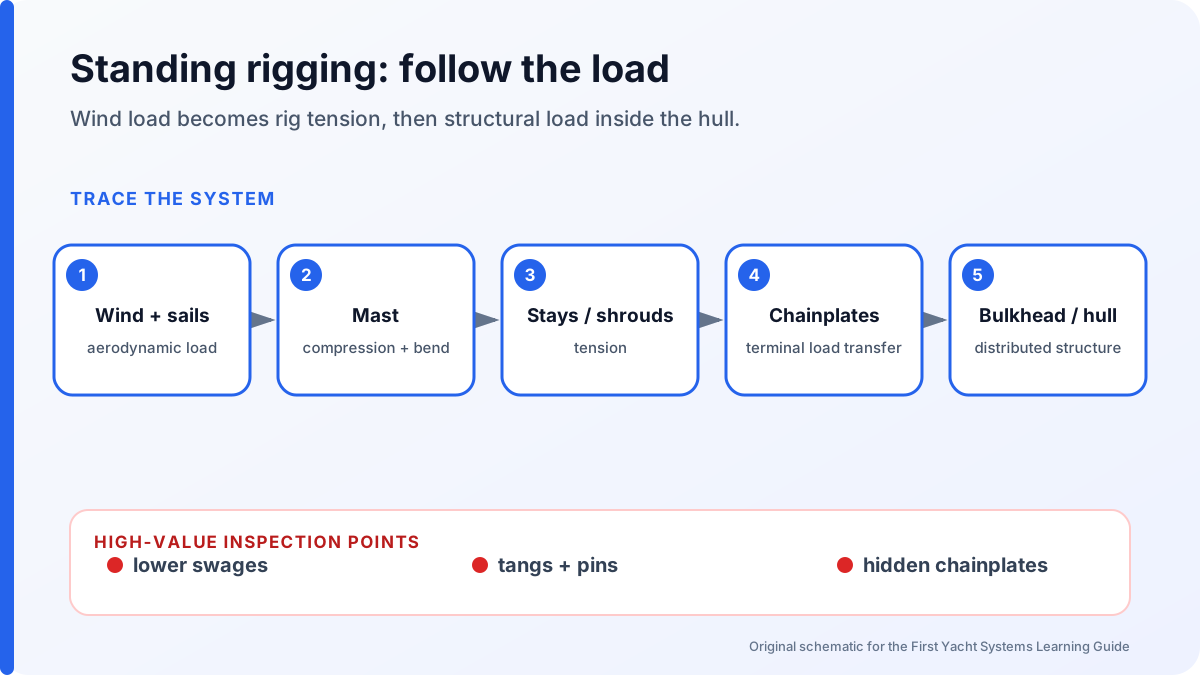 01Standing riggingStanding rigging is the fixed structure that holds the mast upright.
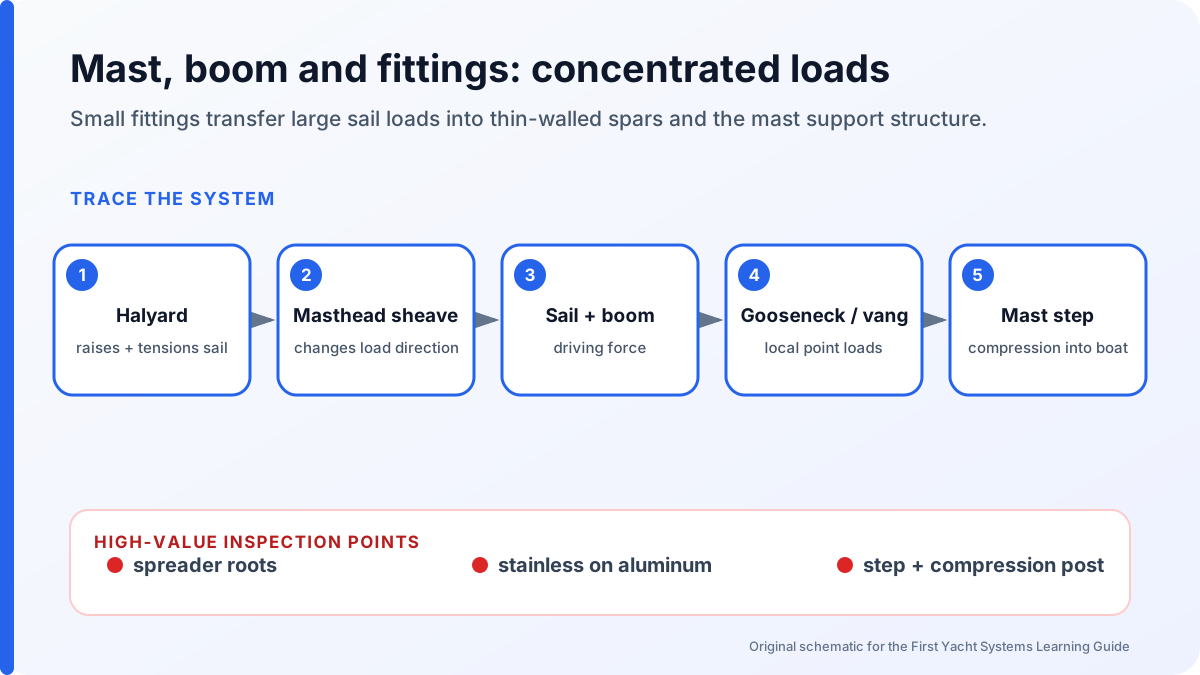 02Mast, boom and fittingsThe mast is the vertical aluminum, carbon or wooden spar carrying the sails and rig loads; the boom supports the foot of the mainsail.
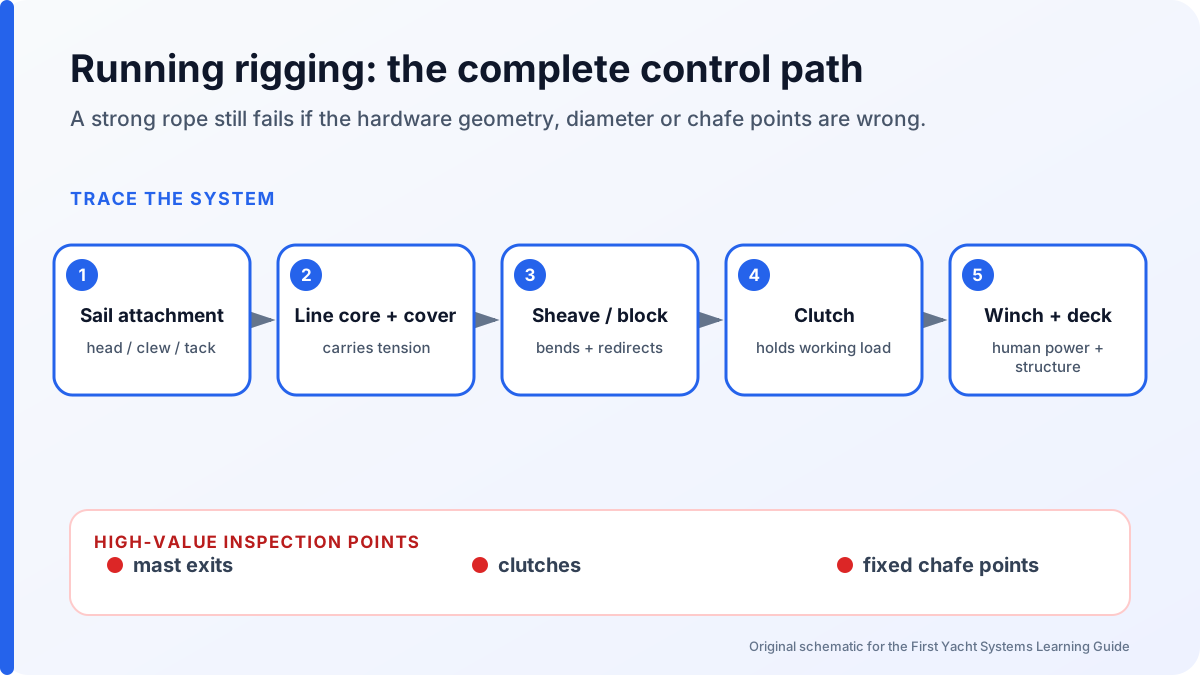 03Running riggingRunning rigging is the rope and movable tackle used to raise, shape and reduce sails.
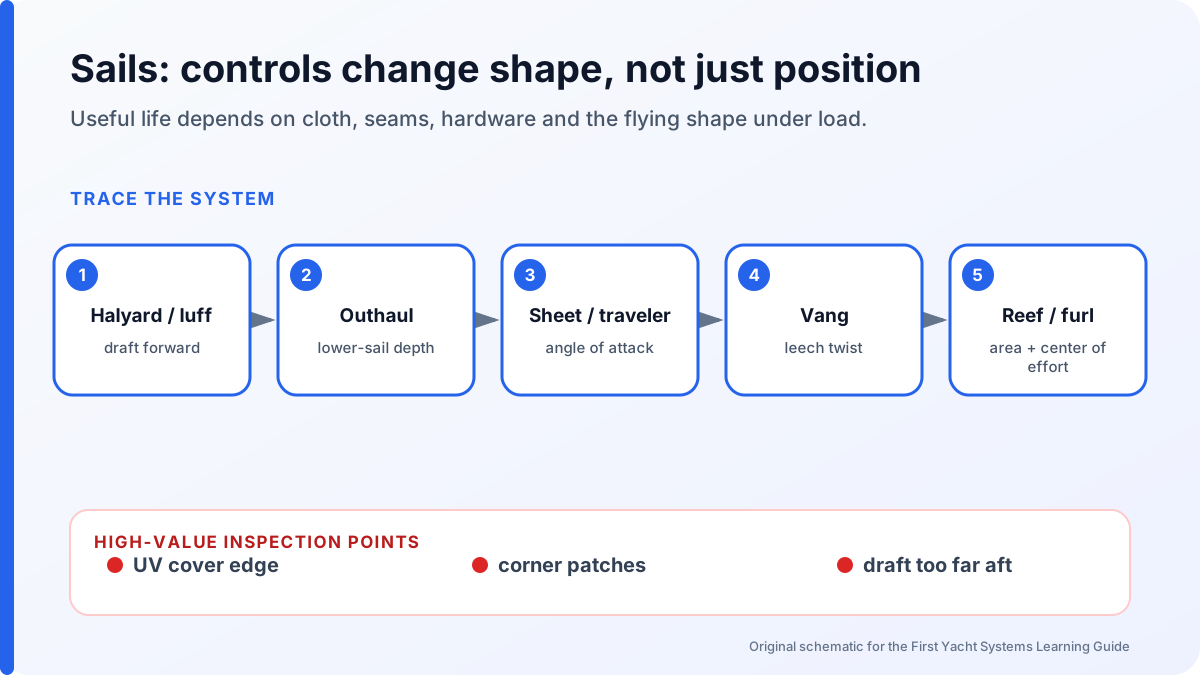 04SailsThe mainsail works behind the mast; a jib or genoa is the triangular headsail forward.
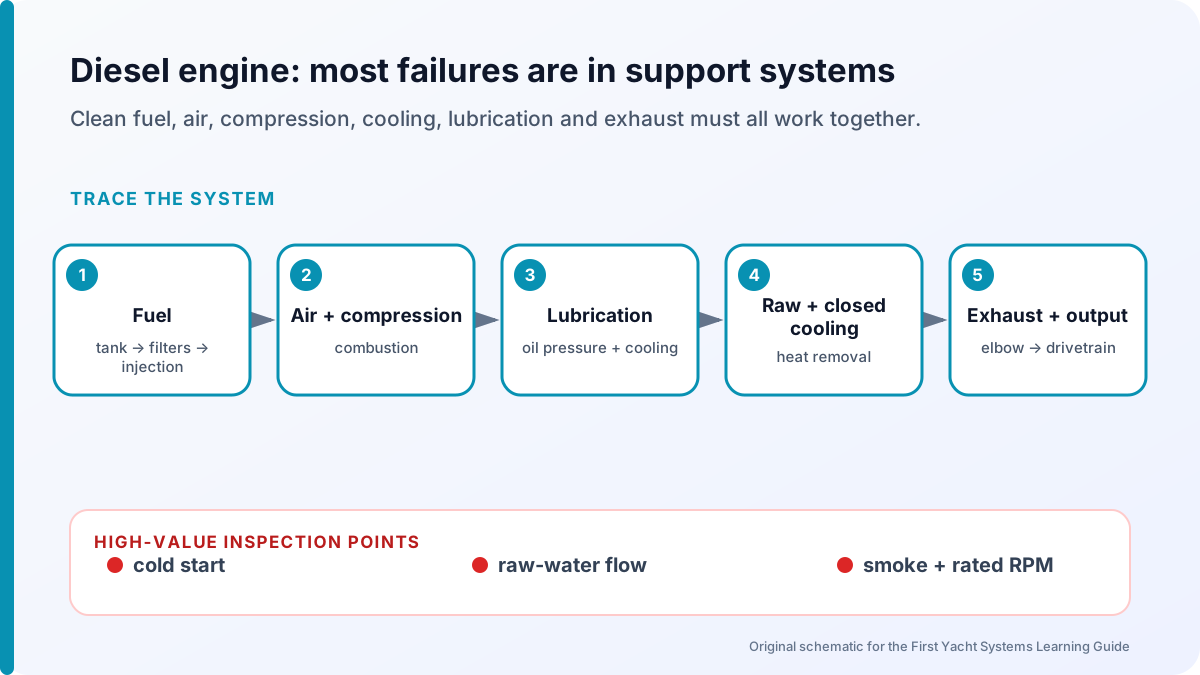 05EngineThe auxiliary engine is normally a 30–60hp freshwater-cooled diesel.
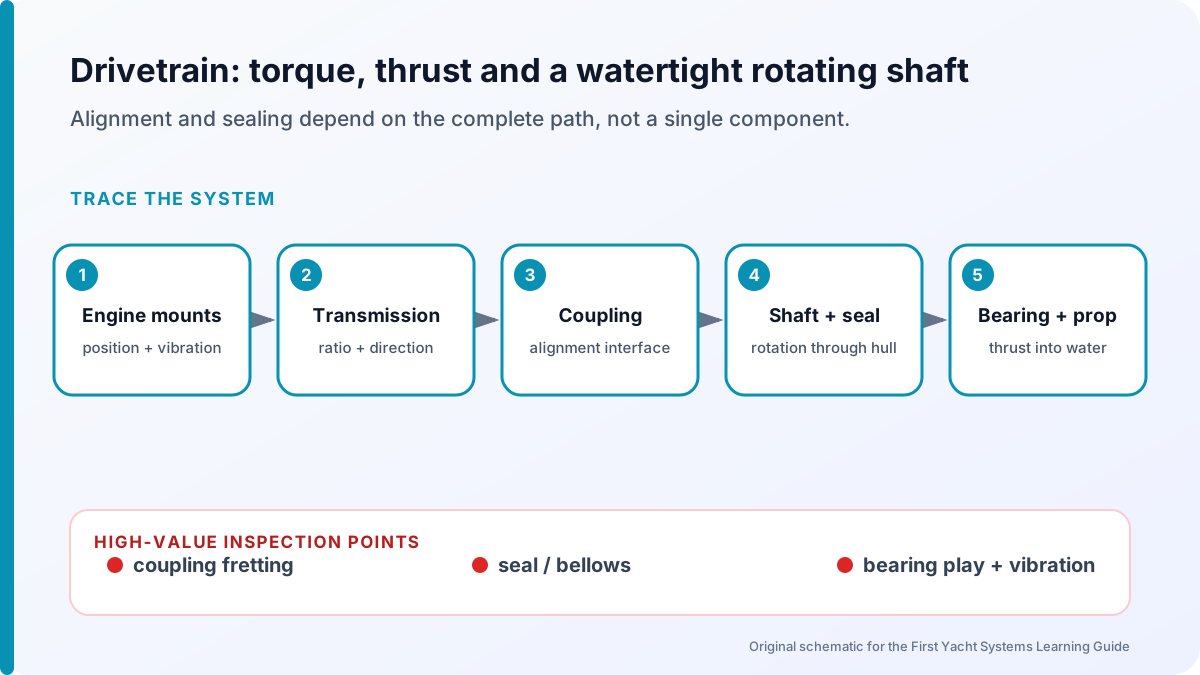 06Shaft, coupling, prop, stern glandThe drivetrain carries engine torque to the water.
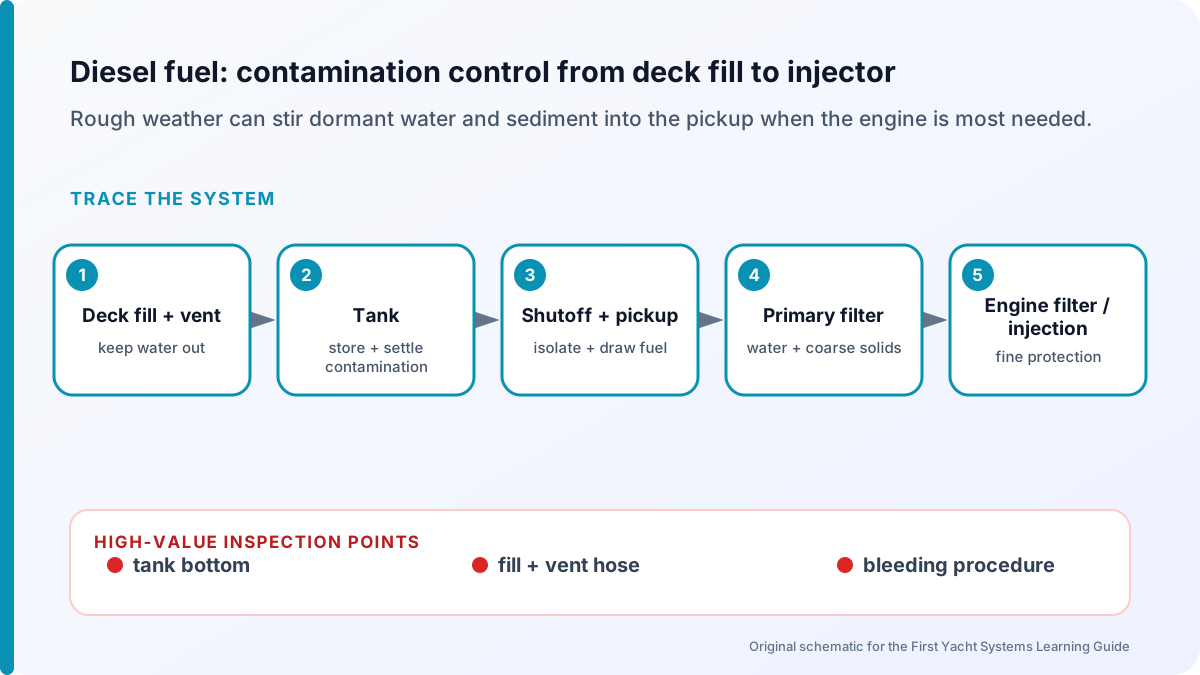 07Fuel tanks and systemThe fuel system begins at one or more diesel tanks and includes deck fill, fill hose, vent hose, shutoff, supply and return lines, a primary filter/water separator, the engine's secondary filter and sometimes a transfer or polishing pump.
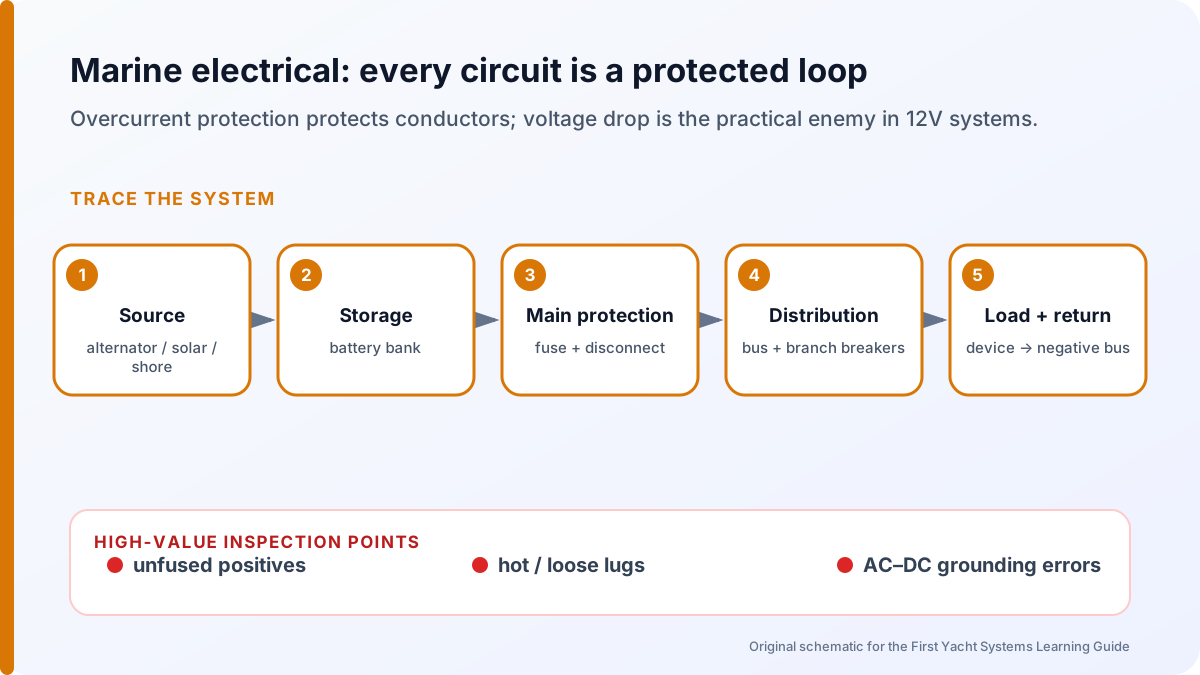 08Electrical, AC and DCThe DC system distributes battery power—normally 12V—through main switches, busbars, fuses/breakers, panels and tinned copper wiring to pumps, lights, navigation gear and electronics.
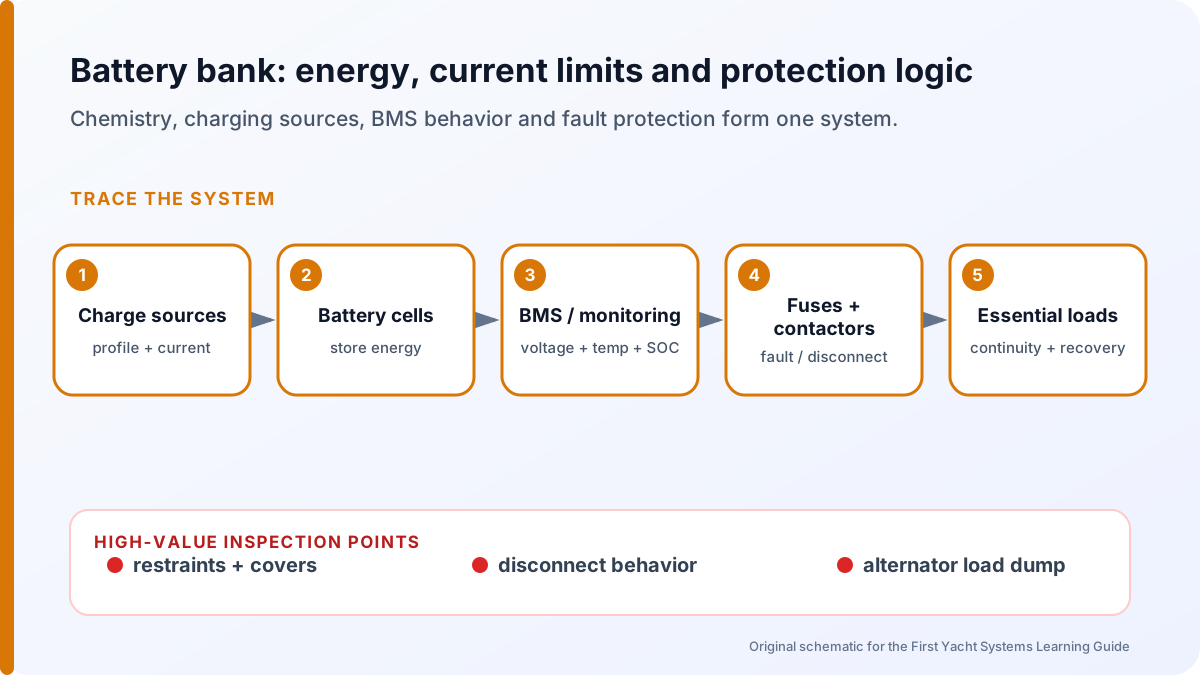 09Battery bankThe house battery bank stores energy for domestic and navigation loads; a separate start battery provides high current to crank the diesel.
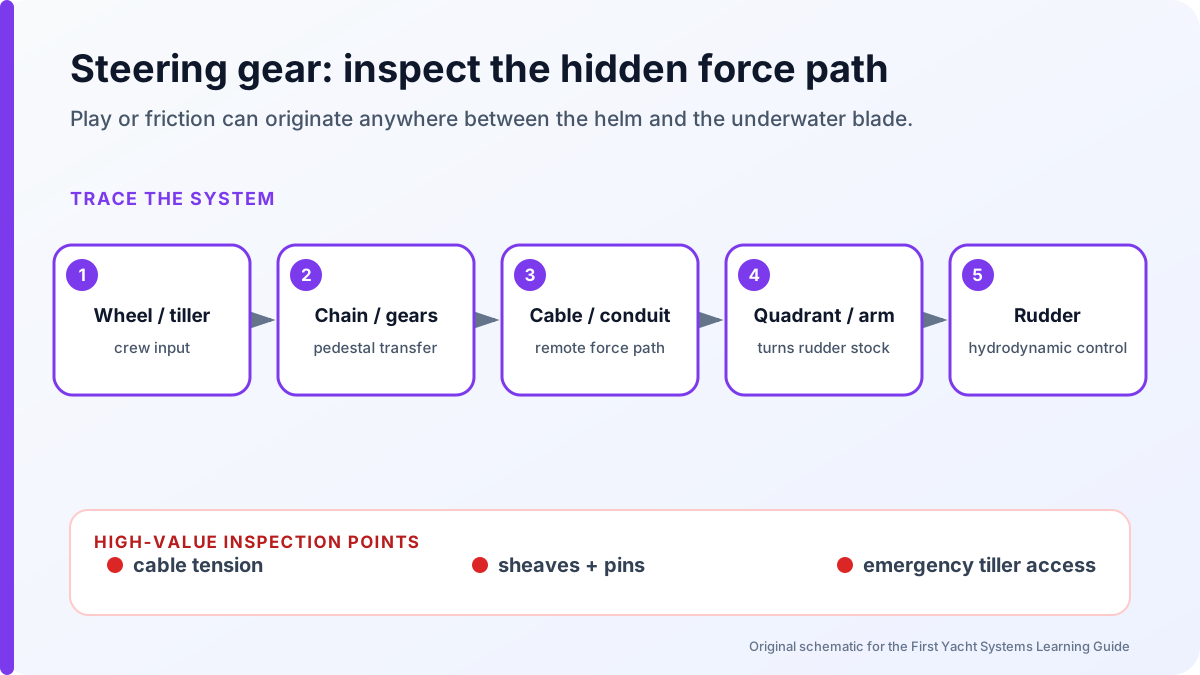 10Steering gearThe steering system connects helm input to the rudder.
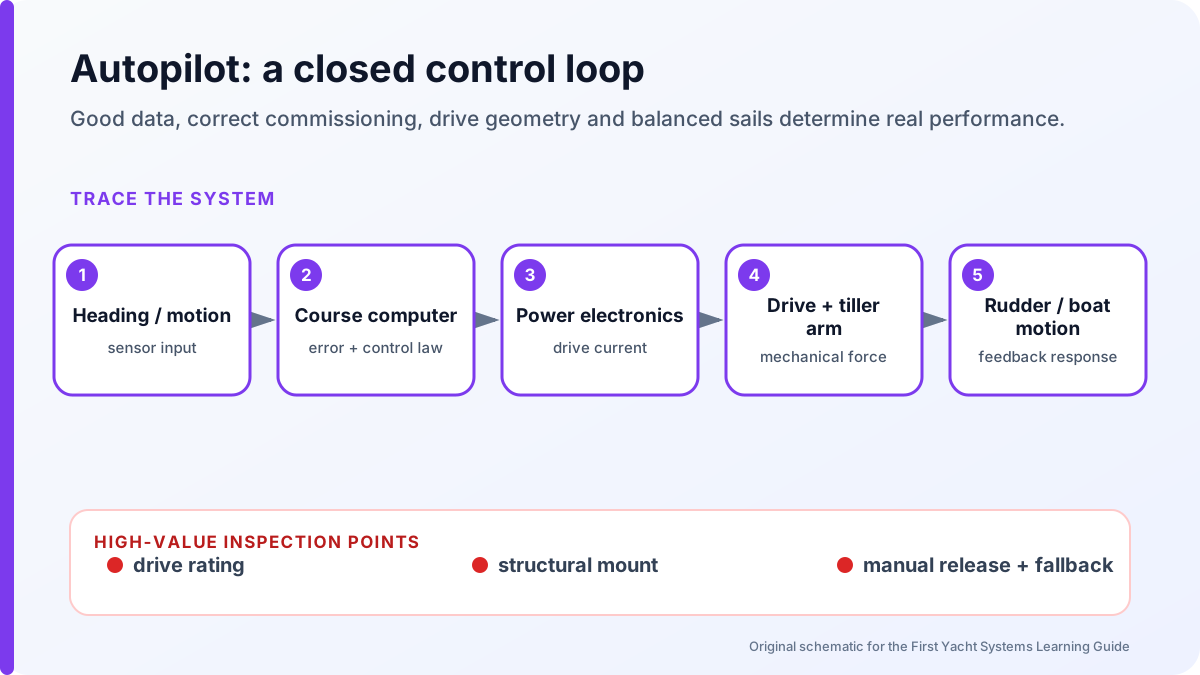 11Autopilot and self-steeringAn autopilot has a heading/motion sensor, control head, course computer, rudder-angle sensor where required and a drive that moves the rudder.
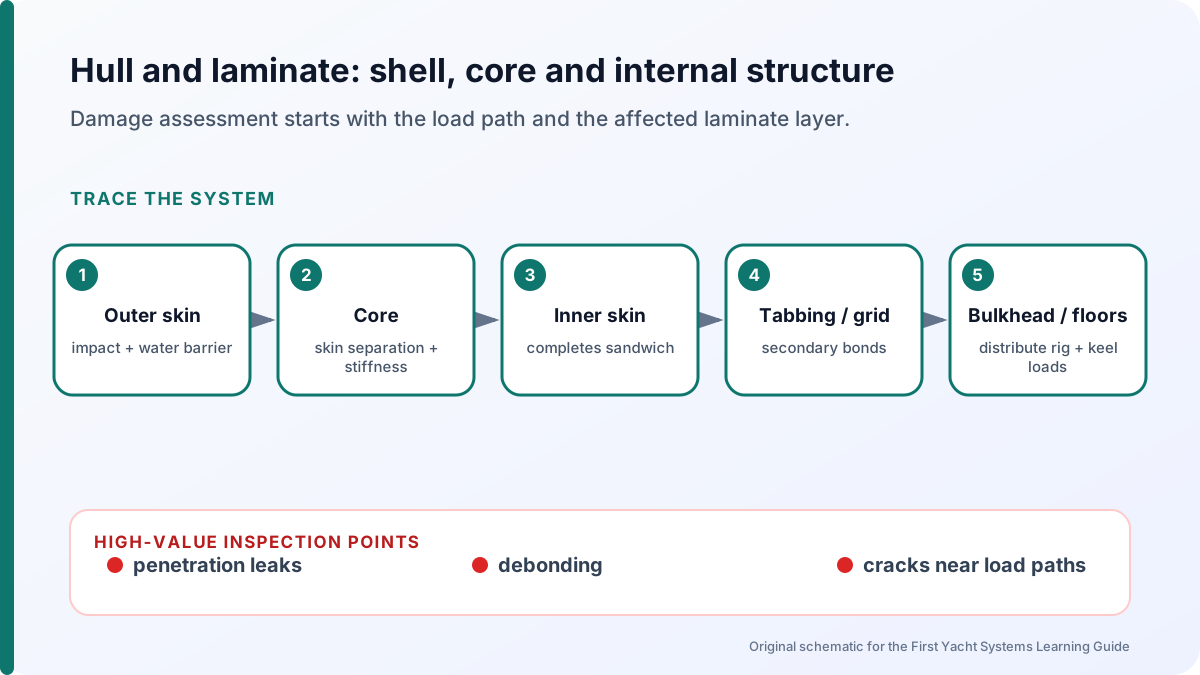 12Hull and laminateThe hull shell keeps the sea out and carries rig, keel, rudder and machinery loads.
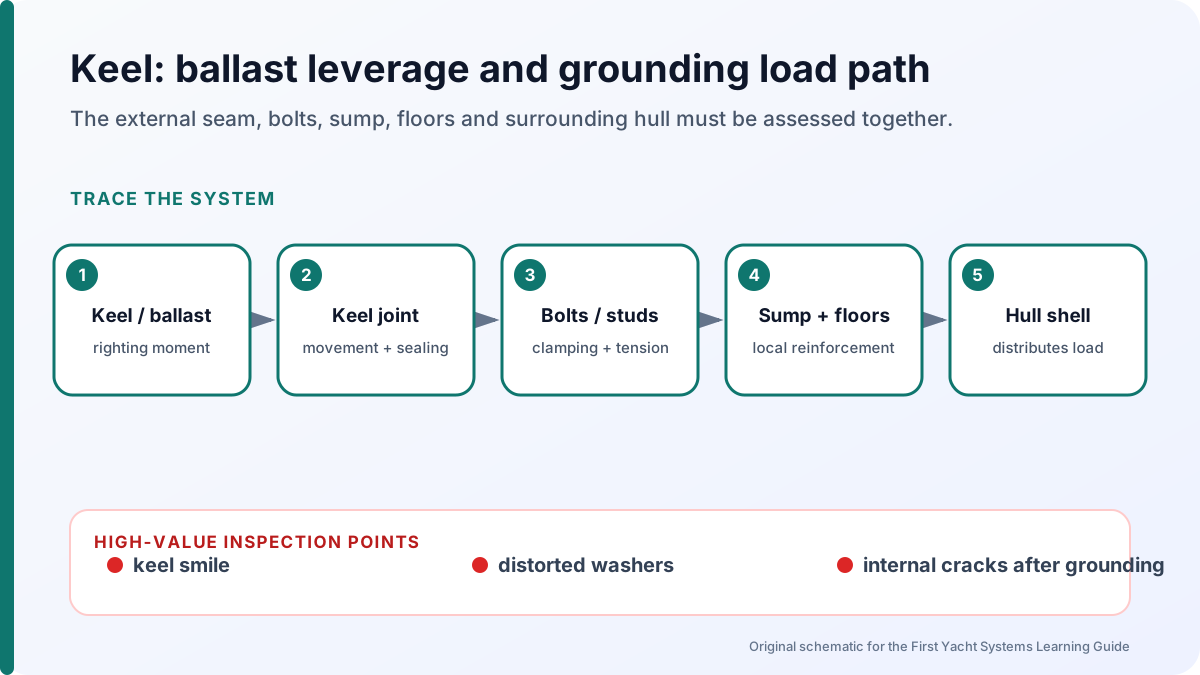 13Keel and keel boltsThe keel supplies ballast and lateral resistance.
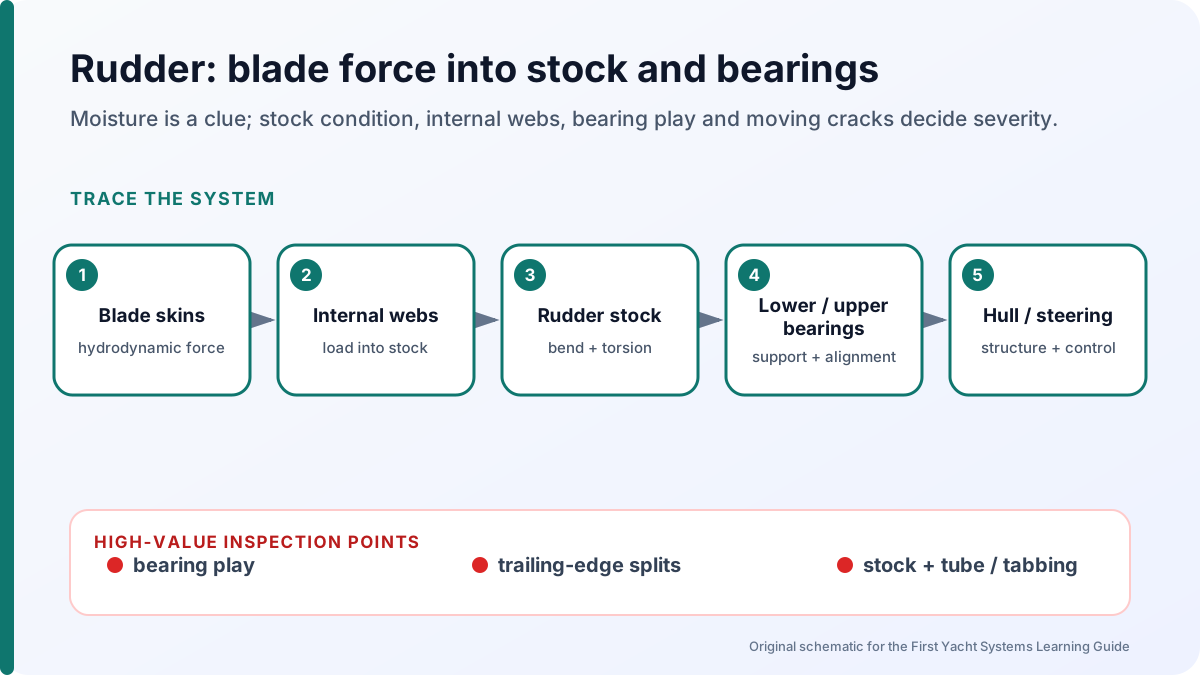 14Rudder and bearingsThe rudder is a foil-shaped blade turned by a metal or composite rudder stock.
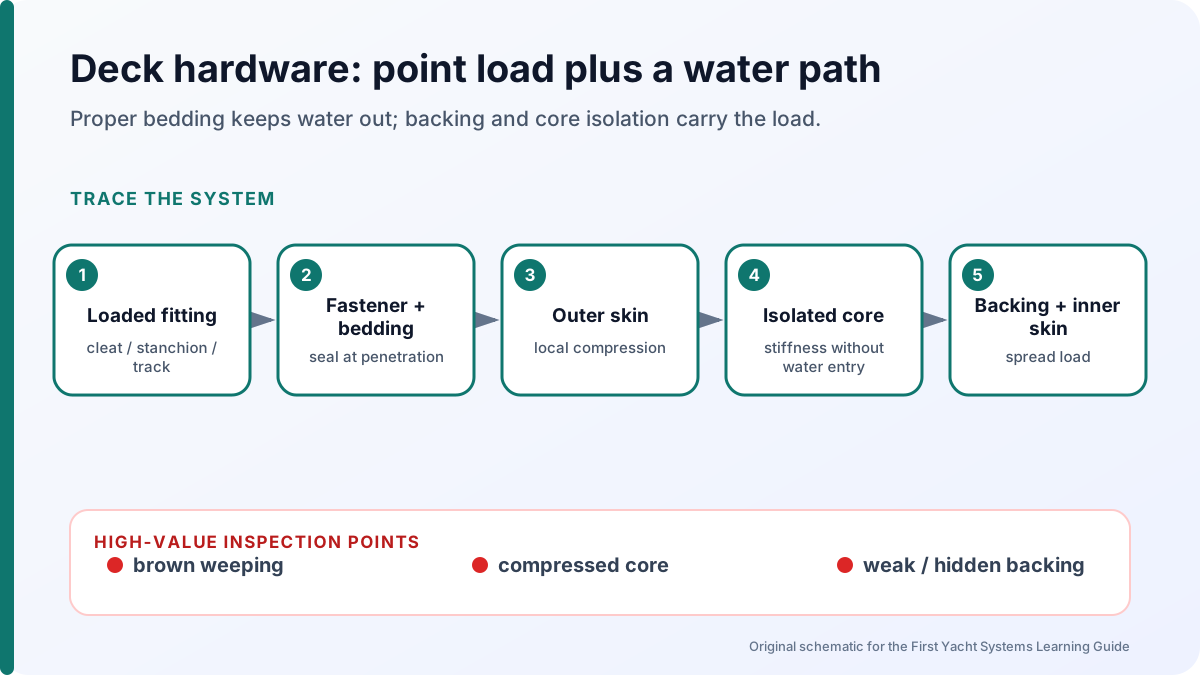 15Deck, hardware and hull–deck jointThe deck is usually a cored fiberglass sandwich above the solid or partly cored hull.
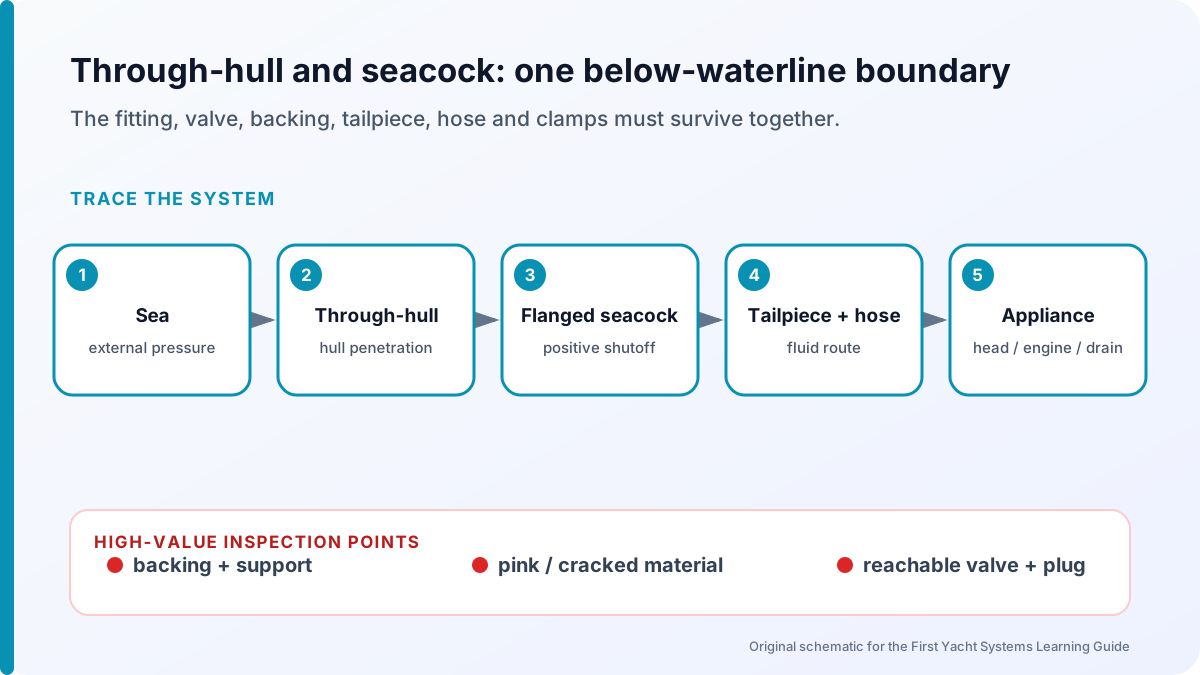 16Through-hulls and seacocksA through-hull is the fitting passing through the hull for a drain, intake or discharge.
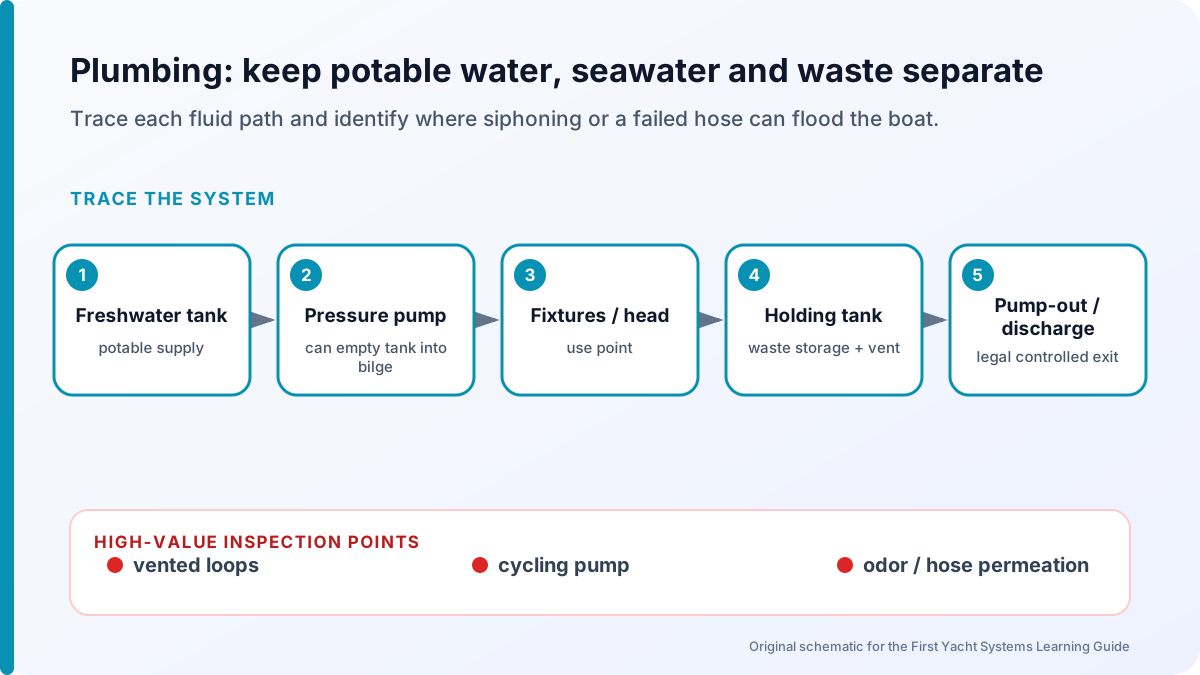 17Plumbing, water tanks and headsThe freshwater system includes tanks, deck fills, vents, selector valves, strainers, a 12V pressure pump, accumulator, distribution hose, faucets and often a calorifier/water heater heated by shore power and engine coolant.
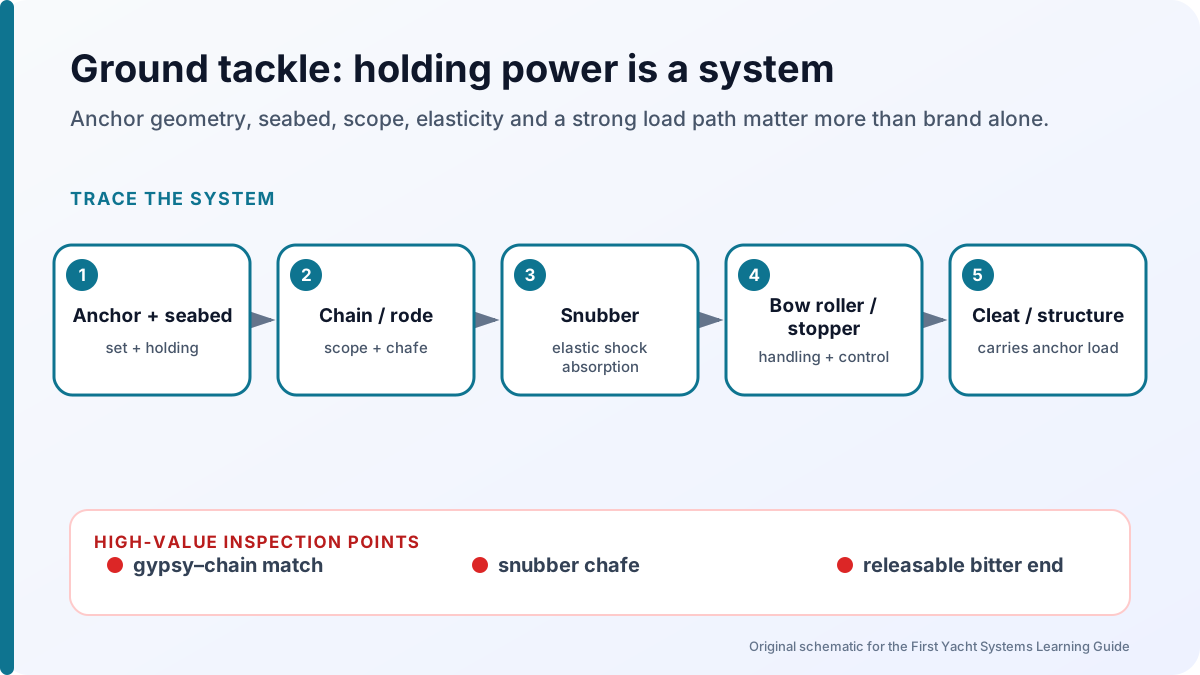 18Ground tackle and windlassGround tackle is the anchor, rode connecting it to the boat, bow roller, windlass, chain stopper and attachment point.
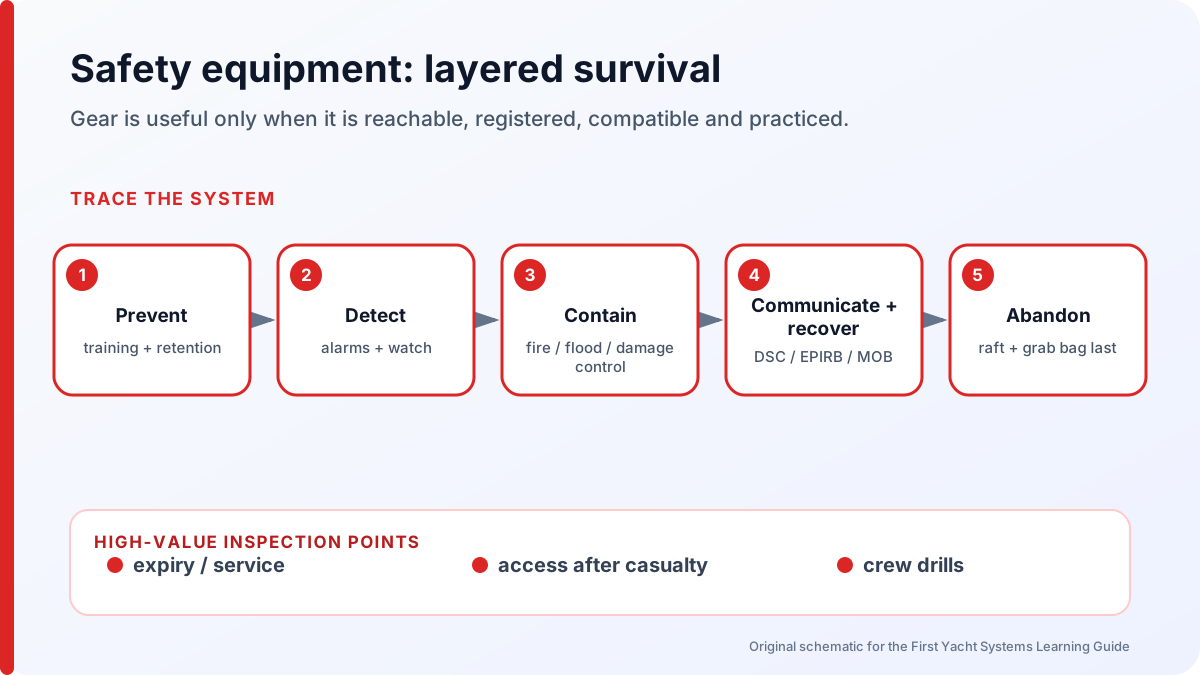 19Safety equipmentSafety equipment combines personal gear, distress communications, fire/flood response and abandon-ship equipment.
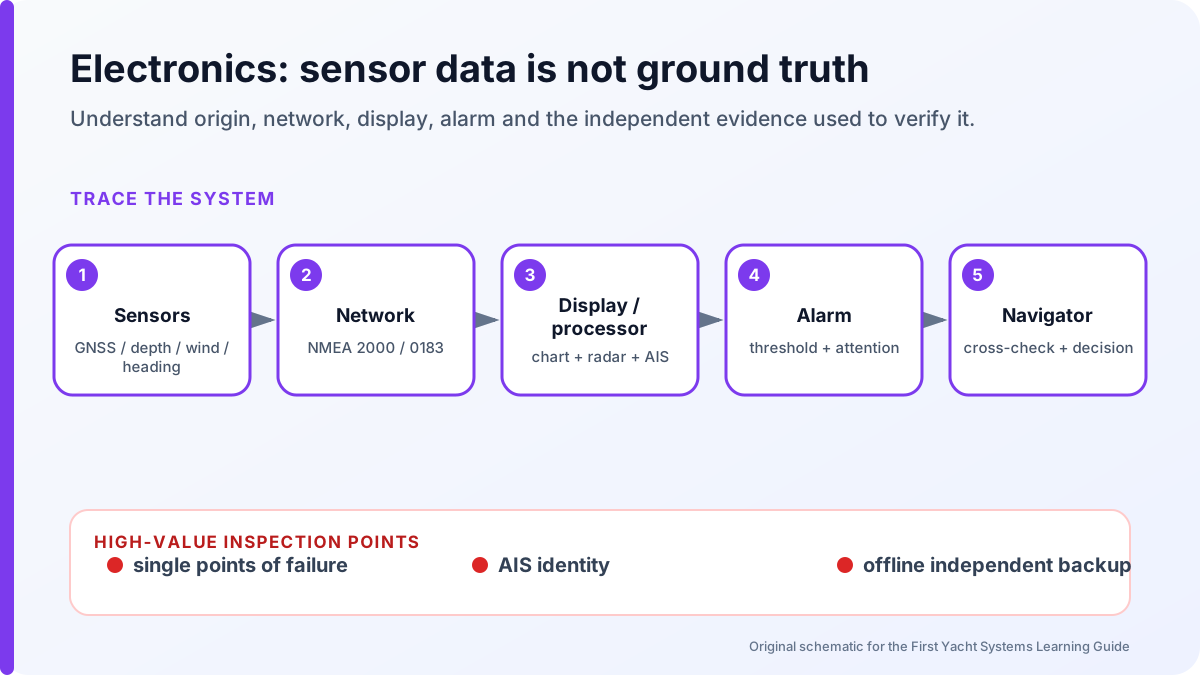 20Electronics and navigationNavigation electronics commonly include a multifunction display/chartplotter, GNSS/GPS antenna, depth/speed/wind instruments, magnetic heading sensor, radar, AIS transceiver, fixed VHF with DSC, handheld VHF and data network.
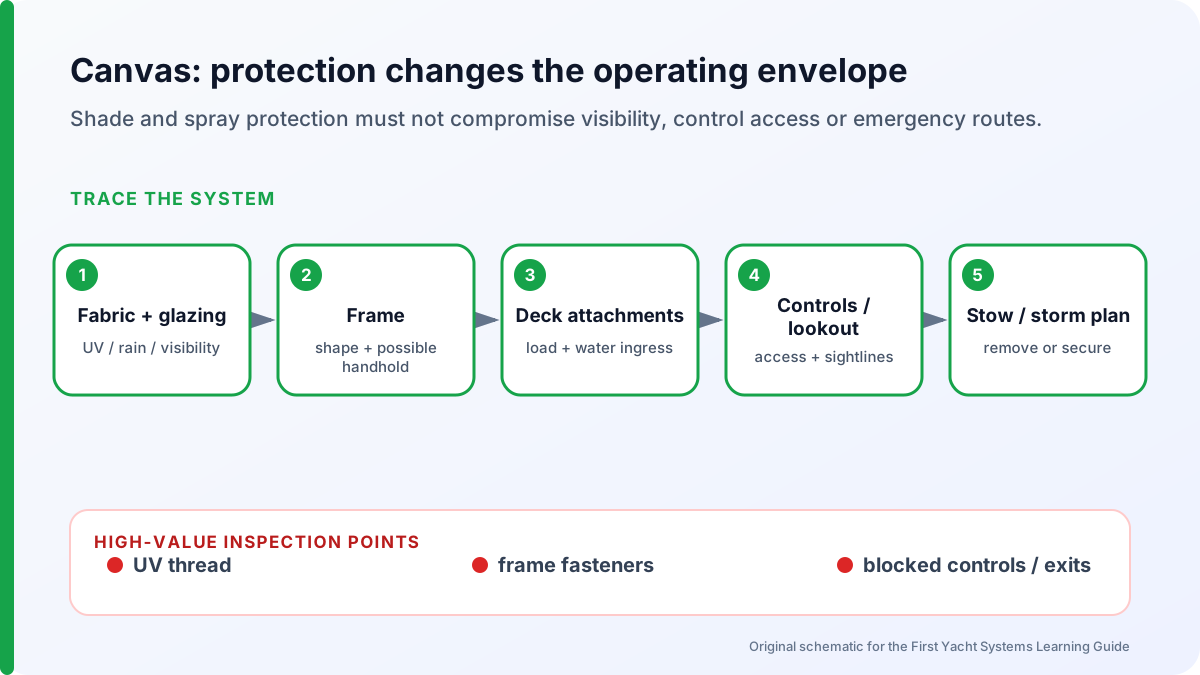 21Canvas, dodger and coversMarine canvas includes the sprayhood/dodger ahead of the cockpit, bimini overhead, connector/enclosure panels, mainsail cover or stack pack, helm and instrument covers, hatch/winch covers and cockpit cushions.
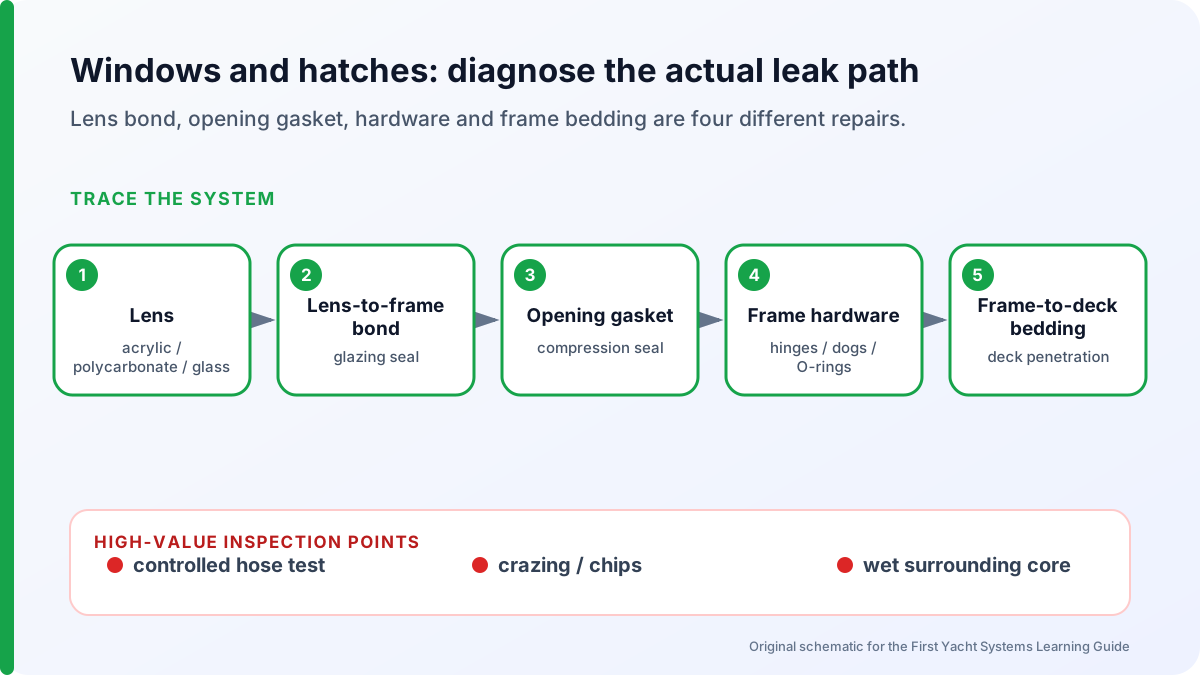 22Windows, hatches and portsDeck hatches provide light, ventilation and escape through a framed acrylic lid.
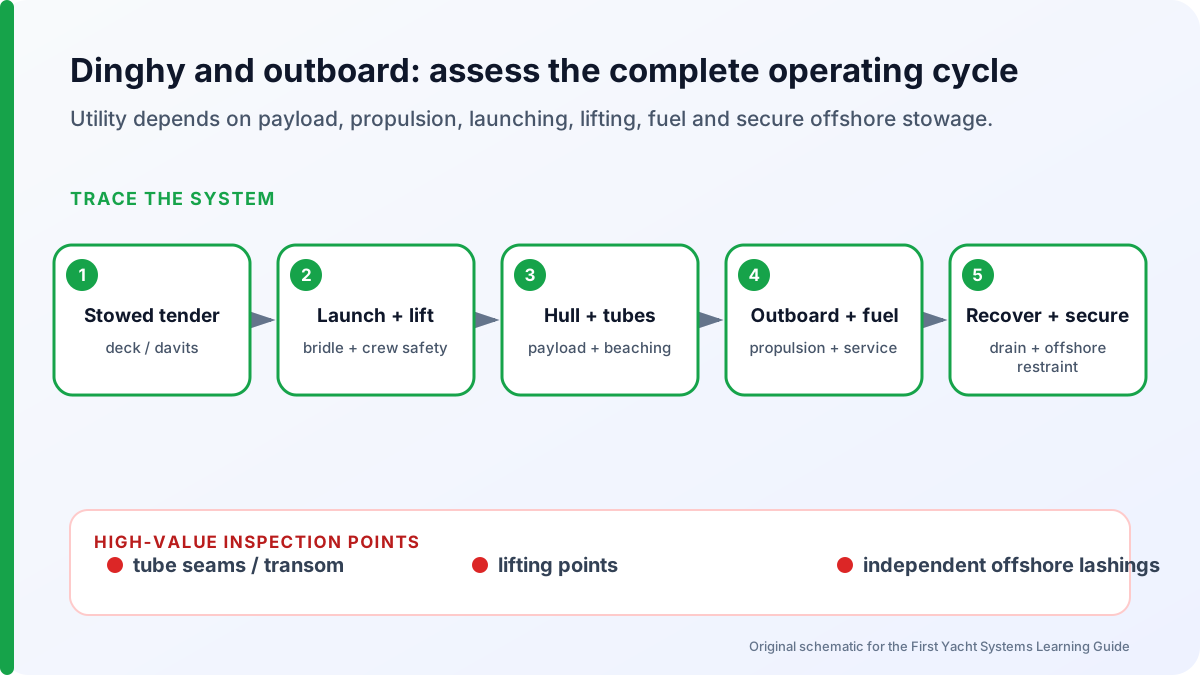 23Dinghy and outboardThe tender is the boat's everyday transport at anchor.
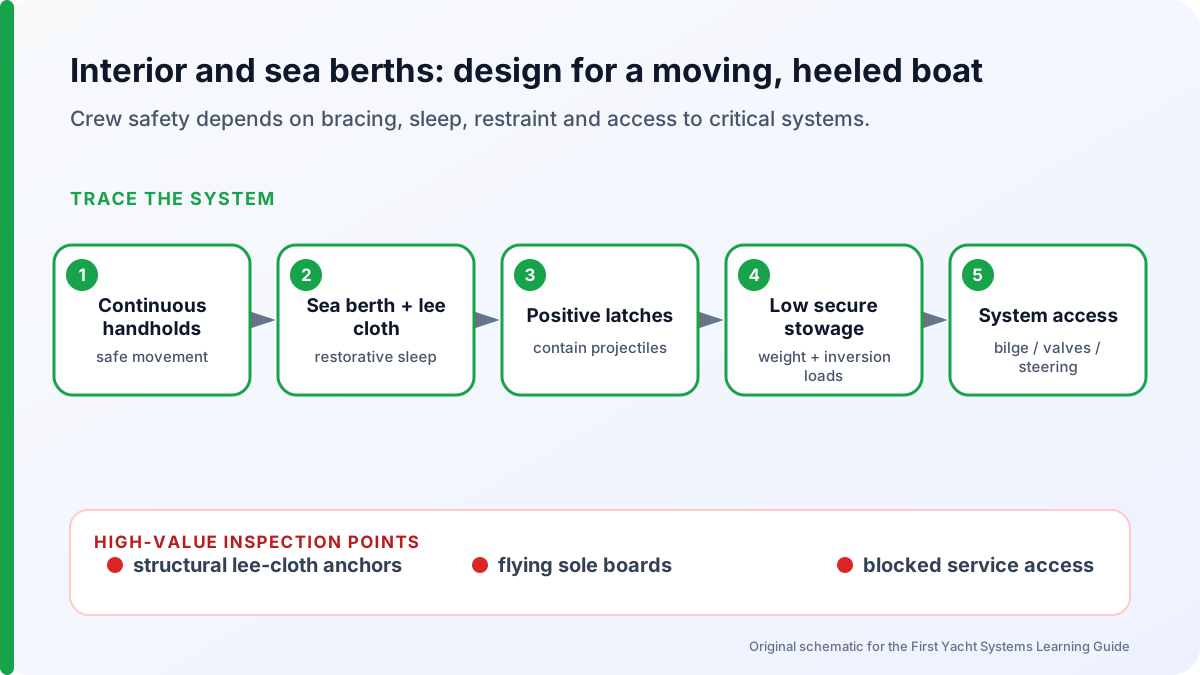 24Interior and sea berthsThe interior includes joinery, sole boards, headliner, upholstery, lockers, galley restraints, handholds and berths.
Also in the guide
How to use this
What “understand the system” means
For each system, you should eventually be able to answer five questions without bluffing:
- Trace it. Where does the load, fluid, electricity, control input or data enter, travel and leave?
- Isolate it. Which valve, breaker, switch, pin, line or manual action makes the system safe?
- Recognize failure. What does normal look, feel, sound and smell like, and what is the earliest abnormal sign?
- Maintain it. What must be inspected, exercised, cleaned, lubricated, adjusted or replaced—and on what evidence?
- Recover. What can you bypass, jury-rig or operate manually when the normal path fails?
A buyer does not need to be a marine technician. You do need to know enough to expose the system, identify its make and model, find the manual, describe the configuration accurately, ask a specialist a precise question and recognize when an answer is hand-waving.
The governing idea: systems fail at boundaries
Expensive components attract attention; interfaces cause a disproportionate share of trouble. Look hardest where:
- stainless meets aluminum;
- metal disappears into wet wood or laminate;
- hose meets barb;
- wire meets terminal;
- shaft meets coupling, seal and bearing;
- load transfers from rig to chainplate to bulkhead to hull;
- a sensor’s data crosses a network or software boundary;
- a high-current charging source depends on a battery-management system;
- a deck fitting penetrates a cored deck;
- a service item is physically inaccessible.
“The engine is a Yanmar” or “the batteries are lithium” says little. The useful description is the complete installation: model, age, hours, supporting components, installation quality, service history, access, failure protections and available spares.
Buyer evidence hierarchy
Use evidence in roughly this order:
| Evidence | What it proves | What it does not prove |
|---|---|---|
| Dated invoice with model/serial and scope | A stated item was bought or serviced | Correct installation or present condition |
| Model and serial plate photographed aboard | The installed identity | Age, internal condition or maintenance |
| Functional test under realistic load | It worked during that test | Remaining life or performance in every condition |
| Specialist inspection or test report | Condition within the stated scope | Anything excluded, hidden or not disassembled |
| General pre-purchase survey | Broad condition and visible defects | Detailed certification of every specialist system |
| Owner statement | Useful history and leads | Independent verification |
| Listing language | A claim worth checking | Almost nothing by itself |
Age is a reason to investigate, not a diagnosis. Cosmetic cleanliness is not structural evidence. A recently replaced component may still be badly installed. Conversely, an old, simple, well-maintained system with excellent access and spares can be a better offshore asset than a newer proprietary installation nobody aboard understands.
How to use this during a purchase
Before viewing:
obtain the equipment list, invoices, last survey, haul-out records and manuals. Build a system inventory containing manufacturer, model, serial, approximate age, service date and known defect. Mark every claim as documented, observed, tested or merely stated.
During the viewing:
trace systems physically. Photograph plates, terminations, hidden spaces and the route of hoses and cables—not just display screens. Operate every valve and moving mechanism you are authorized to touch. Note access: a routine service that requires dismantling joinery will be skipped more often and cost more.
During survey and sea trial:
give the surveyor a written list of issues and tests. A normal survey is broad and non-destructive; hire a rigger, mechanic, electrician, sailmaker or composite specialist when one system could materially change the purchase decision. Test under load: charge and discharge batteries, run the engine to operating temperature, engage the autopilot under sail, deploy and retrieve the anchor, pressurize plumbing, and look for leaks after the boat has moved.
After purchase:
create a baseline before changing things. Label hoses and conductors, draw one-line diagrams, record filter/belt/impeller/line sizes, exercise emergency controls and fix water ingress first. Avoid a rapid sequence of undocumented upgrades that destroys your ability to diagnose what changed.
Whole-boat system map
| Domain | Systems in this guide | Primary question |
|---|---|---|
| Sail-carrying structure | Standing rigging; mast, boom and fittings; running rigging; sails | Can the boat create and safely reduce propulsion loads? |
| Propulsion and fuel | Engine; shaft, coupling, prop and stern gland; fuel tanks and system | Can it start, run, cool, transmit thrust and stop reliably? |
| Power and control | Electrical AC/DC; battery bank; electronics/navigation; autopilot | Can energy and trustworthy information reach critical loads? |
| Watertight structure and control | Hull/laminate; keel/bolts; rudder/bearings; steering; deck/hardware/joint; through-hulls | Will the structure carry loads and keep the sea outside? |
| Habitability and consumables | Plumbing/water/heads; windows/hatches/ports; canvas; interior/sea berths | Can people remain dry, rested and functional? |
| Operations and survival | Ground tackle/windlass; safety equipment; dinghy/outboard | Can the crew stop, abandon, recover and reach shore? |
Maintenance rhythm to establish on any new-to-you boat
Do not start with a generic replacement calendar. Start with a baseline and the actual manuals.
- Every departure: bilge level, fluid leaks, engine oil/coolant, raw-water discharge, belt appearance, battery state, steering feel, seacock positions, rig-deck scan, anchor security and navigation/safety alarms.
- Monthly while in use: exercise seacocks, inspect battery and high-current connections, run seldom-used pumps, inspect steering/drive access, look for new deck or port leaks, inspect chafe and test emergency equipment appropriate to its manual.
- Seasonally: engine service by hours/time, fuel sampling and filters as indicated, winch/furler/windlass service, rig and sail inspection, freshwater sanitation, electrical torque/thermal checks by a qualified person where needed, and full inventory of spares and expiry dates.
- At haul-out: underwater hull, keel joint, rudder play/moisture clues, through-hulls, anodes, propeller, shaft, bearing and seal. Do not let bottom paint obscure investigation before the surveyor sees the surface.
- Before offshore departure: close every open recommendation affecting flooding, fire, steering, rig integrity, propulsion, energy or crew retention; then complete shakedown miles early enough for repaired systems to fail locally.
Maintain a log with date, engine hours, work performed, parts and fluids used, measurements, photos, who did the work and the next trigger. “Serviced” is useless if nobody can say what was actually changed.